



Understanding the Vital Role of a Transmission Fluid Exchange in Your Vehicle
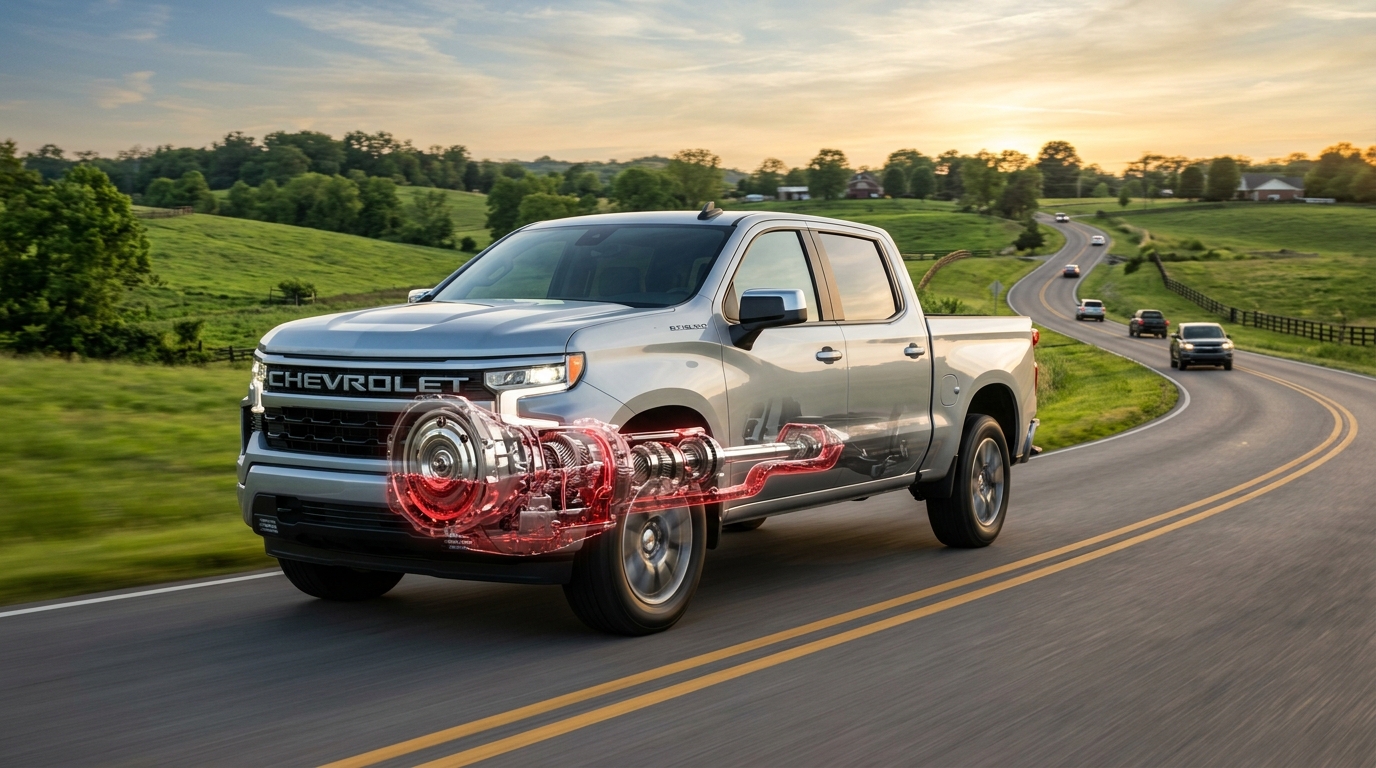
Transmission fluid is the lifeblood of your vehicle’s drivetrain, serving as a multifunctional hydraulic fluid that enables your car to move. Unlike engine oil, which primarily lubricates moving parts to reduce friction, transmission fluid must also act as a coolant and a power-transfer medium. Inside an automatic transmission, this fluid provides the pressure required to engage various internal clutches and bands, allowing the vehicle to shift gears seamlessly as you accelerate or decelerate. Without a sufficient volume of clean fluid, the internal components would quickly succumb to heat and mechanical stress.
Beyond simple gear shifts, this fluid is responsible for protecting the sophisticated internals of modern vehicles. Whether you are driving a heavy-duty model like the new Chevrolet Silverado 2500 or a versatile family SUV like the Chevrolet Traverse, the transmission generates immense internal heat during operation. The fluid carries this heat away from the gears and into a dedicated cooler, preventing the metal components from warping or wearing prematurely. Over time, the chemical properties of the fluid break down due to this constant thermal cycling, reducing its ability to lubricate and cool effectively.
For drivers in Spring Hill, maintaining this fluid is especially critical due to the mix of suburban commuting and the regional topography. The gently rolling hills of Middle Tennessee require the transmission to hunt for gears more frequently than it would on flat plains, which increases the operating temperature of the fluid. If you have questions about your specific model’s maintenance schedule, you can reach our service team at (931) 536-3120 for personalized guidance.
Regularly checking and exchanging this fluid ensures that your vehicle remains reliable for years to come. If you are considering an upgrade to a vehicle with the latest powertrain technology, you can browse our new-vehicle inventory or explore specific models like the Chevrolet Tahoe and the GMC Yukon. Our team at 2006 N Main St is always ready to help you understand the long-term benefits of preventative maintenance.
Table of Contents
- What is a Transmission Fluid Exchange vs a Traditional Flush?
- The Technical Mechanics of How Fluid Protects Internal Gears
- Signs Your Vehicle is Overdue for Fresh Transmission Lubricant
- Recommended Maintenance Intervals and Severe Driving Conditions
- Professional Diagnostics and What Happens During Our Service
- Answers to Common Questions About Transmission Care
- Keep Your Transmission Running Smoothly at Newton Chevrolet GMC
What is a Transmission Fluid Exchange vs a Traditional Flush?
A common point of confusion for many vehicle owners is the difference between a fluid exchange and a traditional flush. A standard drain-and-fill service—often referred to as a fluid change—is the most basic form of maintenance. During this process, a technician removes the drain plug from the transmission pan, allowing the fluid to empty via gravity. However, this method typically only replaces about 30 to 50 percent of the total fluid volume. A significant portion of the old, degraded fluid remains trapped inside the torque converter and the cooler lines, meaning the new fluid is immediately contaminated by the old leftovers.
In contrast, a professional transmission fluid exchange utilizes specialized equipment to perform a more comprehensive service. This process involves connecting a machine to the transmission’s cooler lines to swap out nearly 100 percent of the old fluid with fresh, high-quality lubricant. Because it addresses the fluid held in the torque converter, an exchange provides a much higher level of protection than a simple drain-and-fill. This is an essential distinction for owners who want to maximize the lifespan of their vehicle’s most expensive mechanical assembly.
- Fluid Change (Drain and Fill): Replaces roughly 30–50% of fluid; leaves old fluid in the torque converter.
- Fluid Exchange: Replaces nearly 100% of fluid; uses specialized machinery to ensure a complete swap.
- Transmission Flush: Often involves chemical cleaning agents to dislodge deposits; carries different risks for high-mileage vehicles.
When you schedule your routine maintenance, it is a good time to ask our technicians to inspect the condition of your transmission fluid. Proper fluid health is just as vital as having the right traction, so if you need to find new tires or want to shop for all-season rubber, we can handle those inspections simultaneously. Ensuring every system is refreshed at the correct interval prevents the “domino effect” of mechanical failure.
The Technical Mechanics of How Fluid Protects Internal Gears
Inside the complex housing of an automatic transmission, the fluid performs a high-stakes balancing act. It must be slippery enough to allow gears to spin with minimal resistance, yet it must provide enough friction for the internal clutch packs to “grab” and transfer power to the wheels. This is achieved through a precise blend of additives found in genuine OEM transmission fluids. These additives prevent foaming, inhibit rust, and maintain the fluid’s viscosity even when the transmission is under a heavy load, such as towing a trailer through the Highland Rim near Tullahoma.
The elevation changes and mixed hardwood forests of the Tullahoma area mean your vehicle is often working harder than it would on a level highway. When the transmission shifts, the fluid acts as a hydraulic cushion, softening the engagement of the gears to prevent metal-on-metal slamming. If the fluid becomes thin or “burnt,” this cushioning effect vanishes. The resulting friction generates even more heat, creating a destructive cycle that can lead to “slipping” gears or a total transmission rebuild.
Using the correct fluid is non-negotiable for modern transmissions. Many manufacturers now use specific synthetic blends designed for 8-speed, 9-speed, or 10-speed units. Using a generic or incorrect fluid can lead to catastrophic failure. To protect your investment, we recommend checking the warranty terms for your parts to see how professional maintenance supports your coverage. If you are planning for future service costs, you might also want to learn about our financing options for larger repairs to keep your vehicle in peak condition without straining your budget.
Signs Your Vehicle is Overdue for Fresh Transmission Lubricant
Your vehicle will often provide subtle warnings before a transmission failure occurs. One of the most common indicators is a change in shift quality. If you notice a “hesitation” when shifting from Park to Drive, or if the engine revs higher than usual before the vehicle actually changes gears, your fluid may be degraded or low. Another red flag is a distinct burnt smell coming from the engine bay, which indicates that the fluid is overheating and can no longer protect the internal components.
You should also keep an eye out for physical changes in the fluid itself. Healthy transmission fluid is typically a translucent red or pink color. If you check the dipstick and find that the fluid is dark brown, black, or contains small metallic flakes, an immediate exchange is necessary. In some cases, you may notice a grinding noise or strange vibrations when the vehicle is in motion. These are signs that the fluid’s lubricating properties have failed, allowing internal parts to rub together.
- Delayed Engagement: A noticeable pause when shifting into gear.
- Rough Shifting: The vehicle “clunks” or jerks during gear changes.
- Slipping Gears: The engine revs up, but the vehicle doesn’t accelerate accordingly.
- Fluid Discoloration: Dark, opaque, or gritty fluid on the dipstick.
If you experience any of these symptoms, you should contact our parts specialists immediately to discuss the correct fluid for your vehicle. For those looking at our pre-owned vehicle specials, we ensure that every car on our lot has undergone a rigorous inspection of these vital fluids. If you are ready to move forward with a purchase, you can prequalify for financing online to streamline your visit to our showroom.
Recommended Maintenance Intervals and Severe Driving Conditions
While many modern vehicles are marketed with “lifetime” transmission fluid, most industry experts and manufacturers recommend a more proactive approach. Under normal driving conditions, a fluid exchange is typically suggested every 50,000 to 100,000 miles. However, “normal” driving is rarer than most people realize. If you frequently drive in stop-and-go traffic, tow heavy loads, or operate in extreme temperatures, your vehicle falls into the “severe service” category, which requires more frequent maintenance.
For those who rely on their trucks for work, such as hauling equipment on the farmland around Pulaski, the transmission is under constant stress. The modest hills and rural lifestyle in Pulaski mean the transmission fluid works harder to maintain operating temperatures while under load. In these scenarios, a more conservative interval of every 30,000 miles is often recommended to ensure the internal clutches do not wear out prematurely. Regular maintenance is significantly less expensive than the cost of a full transmission replacement.
- Normal Intervals: 50,000 to 100,000 miles.
- Severe Service: 30,000 to 45,000 miles (Towing, idling, extreme heat).
- Time-Based: Every 3 to 5 years if mileage is low, as fluid can age and oxidize over time.
When you visit us for service, we only use genuine OEM parts and fluids to ensure compatibility with your vehicle’s specific engineering. If you are interested in the latest driving aids that can help manage long-distance hauls, you can explore Super Cruise technology available on many of our new models. We also offer various financing options to help you stay on top of your maintenance schedule without delay.
Professional Diagnostics and What Happens During Our Service
When you bring your vehicle to us for a transmission fluid exchange, the process begins with a comprehensive diagnostic check. Our certified technicians don’t just swap the fluid; we inspect the old fluid for signs of excessive wear, such as metal shavings or a burnt odor, which could indicate deeper mechanical issues. We also check for leaks around the transmission pan and cooler lines. This diagnostic step is crucial because performing a fluid exchange on a transmission that is already failing can sometimes exacerbate existing problems.
Once the system is cleared for service, we connect our exchange machine to the transmission’s fluid circuit. This allows us to replace the old fluid with new, factory-approved lubricant while the vehicle is running, ensuring that the fluid in the torque converter is fully cycled out. If your vehicle is equipped with a serviceable filter, we will also drop the pan to replace it and clean the internal magnets that catch fine metal particles. This thorough approach is why many drivers trust our professional staff with their vehicle’s most sensitive systems.
While your vehicle is in the bay, it is a perfect opportunity to handle other safety-critical maintenance. Our team can perform a brake inspection or check your pads and rotors for wear. We also offer battery testing and replacement to ensure you aren’t left stranded. To make these essential services more accessible, you can view our current service specials or apply for service financing through our flexible payment programs. For more information on DIY care between visits, feel free to read our service and parts tips online.
Answers to Common Questions About Transmission Care
Q: What is a transmission fluid exchange?
A transmission fluid exchange is a maintenance procedure where a specialized machine is used to replace nearly 100 percent of the old, dirty fluid in your transmission and torque converter with fresh lubricant. This is more effective than a standard drain-and-fill, which only replaces a fraction of the fluid.
Q: Why is an exchange more expensive than a basic drain and fill?
A professional exchange requires more fluid—typically 12 to 16 quarts compared to the 4 or 5 used in a drain-and-fill—and involves specialized equipment and labor. The higher cost reflects the fact that you are getting a complete system refresh rather than a partial one.
Q: Will a fluid exchange fix a transmission that is already slipping?
In most cases, no. A fluid exchange is a preventative maintenance service designed to keep a healthy transmission running well. If your transmission is already slipping or grinding, it likely has internal mechanical damage that fresh fluid cannot repair.
Q: How long does a professional transmission fluid exchange take?
Most professional exchanges can be completed in about 60 to 90 minutes. This allows our technicians time to perform a proper diagnostic check, connect the exchange equipment, and verify that the fluid level is perfect before you head back out on the road.
Q: Is a fluid exchange necessary if my manual says the fluid is “lifetime”?
Many “lifetime” ratings are based on the expected life of the warranty, not the actual life of the vehicle. For long-term reliability, especially if you plan to keep your car past 100,000 miles, most experts recommend regular exchanges to prevent fluid oxidation and deposit buildup.
While you are considering your vehicle’s health, you can also learn about tire alignment or learn more about our dealership’s commitment to quality. We also provide resources to learn about OnStar, GMC engineering, and Chevy Cares programs. For those who prefer to handle the process from home, you can shop for your next car online or find out about Chevrolet accessibility features.
Keep Your Transmission Running Smoothly at Newton Chevrolet GMC
Maintaining your transmission fluid is one of the most effective ways to avoid the high cost of a drivetrain failure. At Newton Chevrolet GMC, our certified technicians have the specialized equipment and factory training necessary to perform a complete fluid exchange that protects your vehicle for the long haul. Whether you are driving a new Chevrolet Silverado HD or a GMC Terrain, we are dedicated to providing the highest level of service.
We invite you to explore the Newton Advantage and see why so many drivers choose us for their automotive needs. From Chevrolet special offers to GMC Sierra lease deals, we provide a transparent and helpful experience. You can even use Newton Fastpass to save time on your next visit. Stop by our showroom at 2006 N Main St, Shelbyville, TN 37160 or give us a quick call to schedule your transmission service today. Experience the difference of a team that truly cares about your vehicle’s performance.
0 comment(s) so far on Understanding the Vital Role of a Transmission Fluid Exchange in Your Vehicle