



Why Regular Brake Inspections Save Your Rotors and Your Wallet
How Often to Inspect Brakes to Prevent Costly Rotor Damage
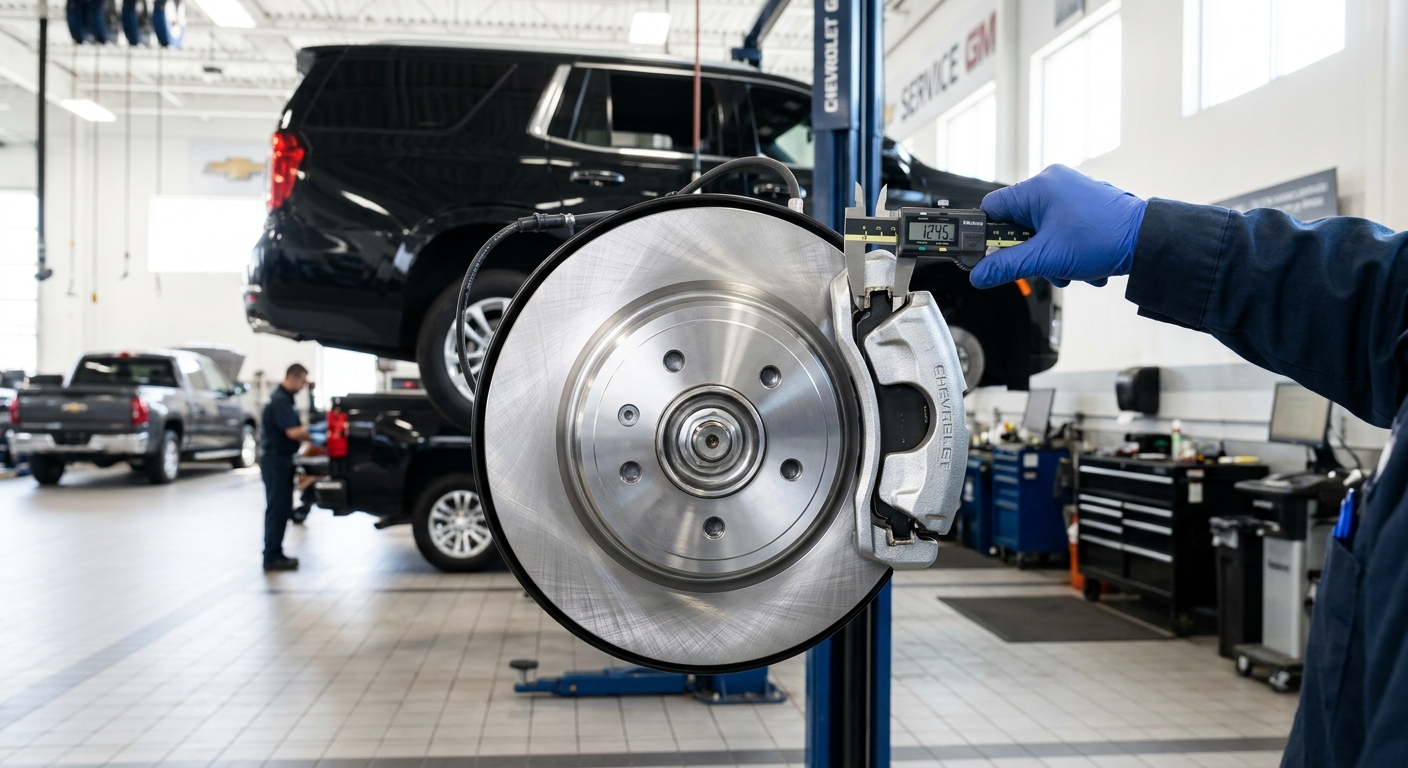
Many drivers wait until they hear a terrifying noise before thinking about their brakes. Regular inspections are the single best defense against expensive rotor damage because they allow us to monitor the wear rate of your brake pads before the friction material disappears completely. Our service team recommends having your brakes thoroughly inspected at least once a year or every 12,000 miles to catch minor pad wear before it turns into deep rotor damage. You can easily coordinate this check with your routine tire rotations, which makes it incredibly simple to stay on top of your vehicle’s stopping power.
Brake pads are designed as wear items, with typical replacement intervals ranging from 30,000 to 70,000 miles depending on how you drive and the weight of your vehicle. When you learn when to get your brakes checked, you realize that catching thin pads early protects the metal rotors from direct, destructive contact. If you are frequently driving down to the Duck River near Christiana for a weekend fishing trip, towing a heavy boat puts extra strain on your braking system and accelerates pad wear. This added stress can impact how safety systems like StabiliTrak manage vehicle stability.
During our multi-point inspections, we measure the remaining friction material on your pads to ensure they stay above the critical threshold. If you are currently driving an older model and are worried about cumulative maintenance costs, you can view our pre-owned vehicle specials to see dependable alternatives with fresh components. Keeping your stopping system healthy does not have to be stressful, and you can easily schedule professional brake service online to have our certified technicians take a look.
Table of Contents
- Squeals, Shudders, and Warning Lights: How to Diagnose Bad Rotors
- The Lifespan of Chevrolet and GMC Rotors Under Heavy Use
- The Realities of Replacing Brake Pads Without Changing Rotors
- Selecting the Right Brake Pads and Rotors for Your Truck or SUV
- Brake Fluid Maintenance and Critical Stopping Safety Red Flags
Squeals, Shudders, and Warning Lights: How to Diagnose Bad Rotors
Unusual sounds and physical sensations during braking are clear indicators that your stopping system needs immediate attention. High-pitched squealing often comes from built-in wear indicators on the brake pads, designed to warn you that the friction material is running low. If that warning is ignored, the sound turns into a harsh, metallic grinding noise, which means the pad backing plates are carving deep grooves directly into your steel rotors.
Another unmistakable symptom of rotor trouble is a distinct pulsation or vibration felt through the brake pedal or the steering wheel when slowing down from highway speeds. This physical shudder typically points to warped rotors, which occur when excessive heat alters the flat surface of the disc. When driving a larger vehicle like those found in our Chevrolet suburban inventory, managing heat buildup is crucial because of the sheer mass of the vehicle, especially if you are utilizing Super Cruise hands-free driving on the highway.
Ignoring these diagnostic signals not only compromises your safety but can also lead to more extensive damage throughout the steering and suspension systems. If you notice a spongy pedal feel alongside these vibrations in a family vehicle from our GMC yukon inventory, the hydraulic efficiency of your system may already be compromised. Drivers looking for a highly agile crossover from our Chevrolet trailblazer inventory should also remain vigilant, as even lighter vehicles can experience rapid rotor wear under aggressive braking conditions.
The Lifespan of Chevrolet and GMC Rotors Under Heavy Use
The actual lifespan of your brake rotors is heavily influenced by how you use your vehicle, the local terrain, and your typical payload. Under normal driving conditions, a high-quality set of front rotors can last anywhere from 50,000 to 80,000 miles before needing replacement. Rear rotors generally last longer because the front braking system does roughly seventy percent of the work when bringing your vehicle to a halt.
For those hauling heavy agricultural equipment or driving loaded trailers through the rolling hills of Lewisburg, the demands on your front rotors are significantly higher. Frequent towing generates immense thermal energy, which can accelerate wear and lead to micro-cracking on the rotor surface if the brakes are not allowed to cool. If you are researching the GMC sierra 1500 for heavy-duty work, understanding these thermal limits will help you maximize the life of your factory stopping components.
When configuring a heavy-duty work truck, many owners spend time researching the Chevrolet silverado hd to compare its heavy-duty braking systems against lighter alternatives. We always encourage truck shoppers to compare GMC to other brands to see how our robust braking hardware stands up to demanding payloads. If you want to explore current purchase options for these capable trucks, you can check out the latest GMC sierra lease offers or use our fastpass online shopping tool to complete your purchase process from home.
The Realities of Replacing Brake Pads Without Changing Rotors
A common question we receive in our service bays is whether it is acceptable to install new brake pads while keeping the existing rotors. While it is technically possible to perform a pad-only replacement if the rotors are completely smooth and well above their minimum discard thickness, we generally advise against it. Installing brand-new, flat brake pads onto a rotor that has even minor surface grooves or uneven wear will drastically reduce your initial stopping power.
The uneven surface of a worn rotor prevents the new pad from making full, consistent contact, which leads to a spongy pedal feel and accelerated pad wear. Many service guides recommend replacing brake pads when the friction material reaches roughly 3 mm or less, and we always measure rotor thickness at the same time. If you are driving a spacious SUV from our GMC yukon xl inventory, ensuring that your pads and rotors wear evenly is essential for maintaining the vehicle’s stability during sudden stops.
Rotors can sometimes be resurfaced, or ‘turned,’ on a specialized lathe to restore a perfectly flat surface, but this is only an option if the remaining metal stays above the manufacturer’s safety limit. If the cost of machining a worn rotor approaches the price of a brand-new replacement, we always recommend installing fresh parts for long-term reliability. This is particularly true for versatile family haulers like those in our GMC terrain inventory or hard-working trucks in our Chevrolet silverado inventory, where consistent braking performance is non-negotiable.
Selecting the Right Brake Pads and Rotors for Your Truck or SUV
Choosing the correct replacement components for your vehicle depends heavily on your daily driving habits and the specific demands of your vehicle class. Ceramic brake pads are composed of a dense ceramic compound mixed with copper fibers, which makes them exceptionally quiet and highly resistant to brake dust. These pads are highly gentle on your rotors and are the perfect choice for daily commuting in a compact crossover from our Chevrolet trax inventory.
For larger vehicles that regularly carry heavy cargo or tow trailers, semi-metallic brake pads are generally the superior choice. Semi-metallic pads utilize metal shavings bonded with resin to deliver outstanding stopping power across a massive temperature range, making them highly effective for heavy-duty applications. If you are driving a full-size SUV from our Chevrolet tahoe inventory, the added stopping power of a semi-metallic pad helps manage the vehicle’s momentum safely, especially on models equipped with the rugged Z71 off-road package.
When choosing replacement parts for a heavy-duty truck from our Chevrolet silverado hd inventory, pairing heavy-duty semi-metallic pads with robust, ventilated rotors is essential. These ventilated designs help dissipate the extreme heat generated during heavy braking, preventing brake fade and ensuring that your pedal remains firm and responsive even under maximum payload conditions.
Brake Fluid Maintenance and Critical Stopping Safety Red Flags
While pads and rotors receive most of the attention, the brake fluid that powers your hydraulic system is equally critical to your safety. Over time, brake fluid naturally absorbs moisture from the air, which lowers its boiling point and can lead to a dangerously soft or spongy pedal feel under heavy braking. Most manufacturers recommend a complete brake fluid replacement every 2 to 3 years regardless of the mileage on your odometer to prevent internal corrosion and maintain consistent hydraulic pressure.
There are several critical safety red flags that require you to pull over safely and seek immediate professional assistance rather than continuing to drive. A loud, metal-on-metal grinding noise indicates that your brakes have completely worn through the friction material, representing an immediate hazard to yourself and other drivers. Additionally, if the brake warning light on your instrument cluster remains illuminated after you have fully released the parking brake, your vehicle is signaling a serious hydraulic pressure loss or low fluid level.
If you are experiencing any of these symptoms in a family vehicle from our Chevrolet traverse inventory, please do not hesitate to contact our expert service department. You can easily get directions to our shelbyville location to visit our team in person, or simply give us a call at (931) 536-3120 to speak directly with a service advisor.
0 comment(s) so far on Why Regular Brake Inspections Save Your Rotors and Your Wallet