



Why Clean Transmission Fluid Matters for Your Chevrolet or GMC
Transmission fluid serves three critical roles in your vehicle: lubricating moving gears, cooling the internal components, and providing the hydraulic pressure needed to actuate gear shifts. Over time, high operating temperatures and mechanical friction break down the fluid’s chemical structure. This degradation reduces its viscosity and allows microscopic metal shavings to accumulate. When the fluid loses its ability to protect these tightly engineered components, internal wear accelerates, eventually leading to costly mechanical failures.
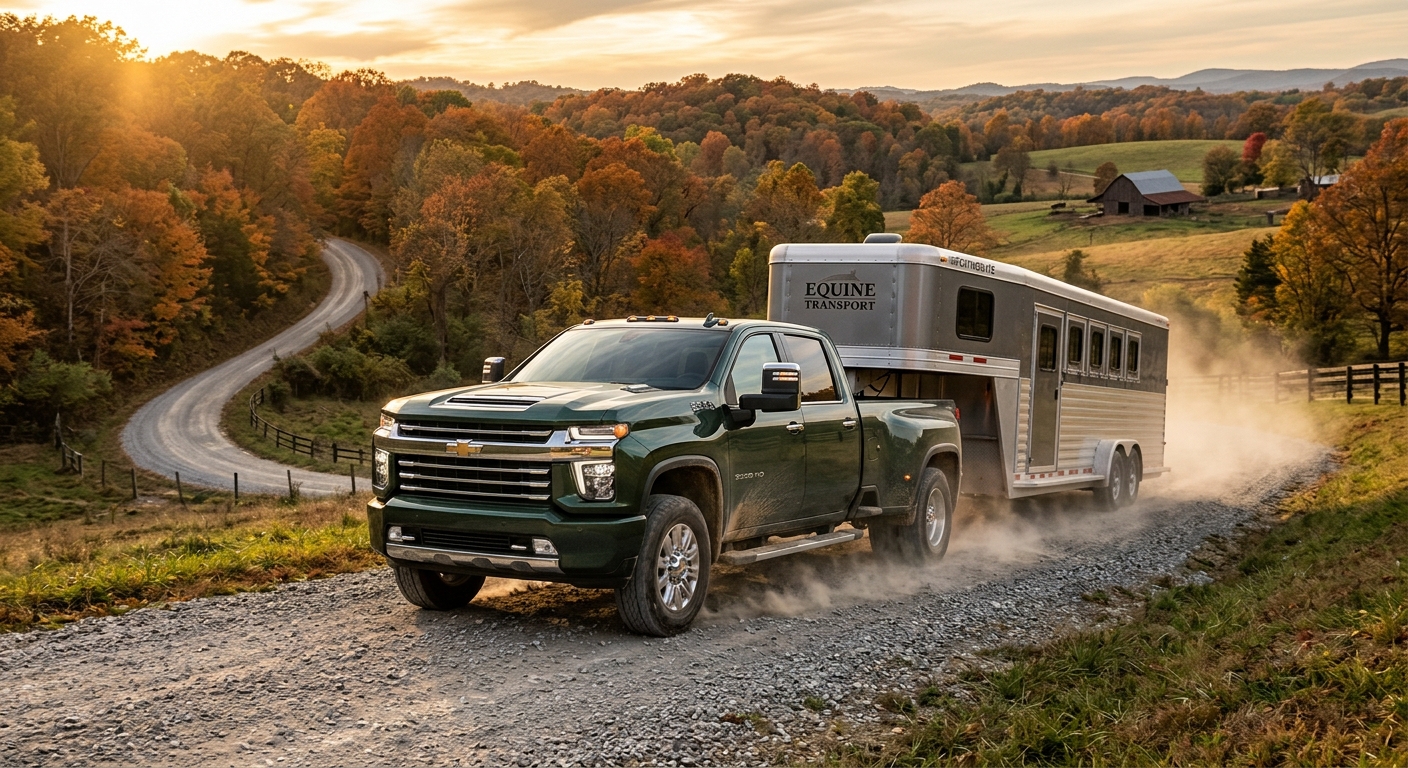
For families managing agricultural lands near Christiana, hauling heavy farm equipment or towing livestock trailers puts immense load on the transmission. This severe-duty usage accelerates fluid breakdown, making routine maintenance vital to prevent catastrophic gear failure. If you regularly put your truck through these demanding tasks, you can research the Chevrolet Silverado HD to understand its heavy-duty cooling requirements, or research the GMC Sierra 1500 to see how its standard powertrain manages heat.
If you are hunting for a specific model with specialized towing capabilities, our vehicle finder service can track down the exact configuration you need. To see current opportunities for savings on maintenance and vehicles, check out our Chevrolet special offers. If you are ready to visit us for a maintenance check or a test drive, you can get turn-by-turn directions to our Shelbyville showroom or give our service department a quick call to speak with an advisor.
Table of Contents
- What Are the Signs That I Need a Transmission Fluid Exchange
- How a Professional Transmission Fluid Exchange Differs From a Flush
- GM Maintenance Schedules and the Impact of Severe Driving Conditions
- Why Application-Specific OEM Fluids Keep Your Gearbox Durable
- Quick Answers to Common Transmission Service Questions
- Protect Your Investment With Certified GM Transmission Care
What Are the Signs That I Need a Transmission Fluid Exchange
Identifying transmission issues before they lead to a complete mechanical breakdown can save vehicle owners thousands of dollars in repair costs. Because the transmission operates under high pressure, even minor changes in fluid quality can manifest as noticeable driveability problems. Drivers should remain vigilant for several key warning signs that indicate the fluid has degraded and needs to be replaced.
- Slipping Gears: If the engine revs up but the vehicle does not accelerate accordingly, the transmission is slipping. This occurs when degraded fluid cannot provide enough hydraulic pressure to keep the clutches engaged.
- Delayed Engagement: A noticeable pause when shifting from Park into Drive or Reverse indicates that the fluid is either low or has lost its hydraulic effectiveness.
- Harsh or Erratic Shifting: Modern gearboxes should transition between gears smoothly. Hard clunks, sudden jerks, or hesitations during acceleration are classic signs of contaminated fluid.
- Unusual Noises: Whining, buzzing, or humming noises coming from the center of the vehicle often point to a clogged internal filter or fluid that can no longer lubricate the bearings properly.
- Dark, Burnt Fluid: Healthy automatic transmission fluid is bright red and translucent. If the fluid on the dipstick appears dark brown or black, or if it carries a distinct burnt odor, it has overheated and must be exchanged immediately.
When drivers bring their trucks in, they often ask me what to watch out for on the road. I tell them that a sudden shudder when accelerating up a hill is the most common early indicator that the fluid has degraded. This shuddering sensation is often caused by torque converter clutch slippage, which happens when the fluid can no longer maintain a consistent friction coefficient.
Larger SUVs, like those found in our new GMC Yukon inventory, utilize sophisticated multi-speed gearboxes that rely heavily on clean fluid to manage power distribution. Even compact models, such as those in our new Chevrolet Trax inventory, require clean fluid to protect their compact gear sets from friction wear. Our technicians can inspect your transmission fluid and check for these symptoms when you schedule your next oil change.
How a Professional Transmission Fluid Exchange Differs From a Flush
Understanding the technical differences between various transmission maintenance procedures is crucial for preserving your gearbox. A professional transmission fluid exchange is a highly controlled service designed to replace the entire volume of degraded fluid safely. During this service, technicians connect a specialized machine to the transmission cooler lines. This machine uses the vehicle’s internal transmission pump to gradually cycle out the old fluid while simultaneously feeding in fresh, clean fluid at the exact same rate. This process replaces nearly all of the fluid, including the volume trapped inside the torque converter and cooler lines.
A transmission flush, by contrast, often uses external high-pressure pumps and chemical solvents to force fluid through the system. While this method is intended to dislodge stubborn deposits, the high pressure can backflush debris into delicate hydraulic valves or damage aged internal seals. For this reason, certified technicians generally avoid high-pressure flushes and recommend a standard volume exchange.
Our certified service technicians are part of the team you can meet when you view our professional staff directory. They understand the specific engineering requirements of your vehicle’s gearbox. Whether you are maintaining a family hauler from our new Chevrolet Traverse inventory or a heavy-duty model like those in our new GMC Yukon XL inventory, our team ensures the service is performed according to strict factory specifications.
GM Maintenance Schedules and the Impact of Severe Driving Conditions
Manufacturer-recommended service intervals are designed to protect your vehicle under specific operating conditions. For many modern vehicles, the factory maintenance schedule lists automatic transmission fluid service at 97,000 miles under normal driving conditions. However, the owner’s manual also defines a severe-duty schedule, which slashes this interval to 45,000 miles.
Operating conditions that qualify as severe duty include:
- Heavy towing or hauling on a regular basis
- Consistent stop-and-go city driving
- Operating in high ambient temperatures (above 90 degrees)
- Driving in mountainous or hilly terrain
- Commercial use, taxi service, or frequent short trips
During hot summer days, towing a heavy load along the rolling rural routes around Lewisburg quickly raises transmission fluid temperatures to severe-duty thresholds. When fluid temperatures consistently exceed 200 degrees, the rate of fluid oxidation doubles with every 20-degree increase, rapidly depleting the protective additives. Staying on top of these intervals is critical for maintaining your vehicle’s 60,000-mile powertrain warranty.
While electric vehicles do not have traditional multi-speed gearboxes, you can schedule a Chevrolet EV test drive to experience direct-drive efficiency. To keep your entire vehicle safe, you can also schedule brake service to inspect your pads and rotors, or schedule battery service to ensure your electrical system is fully charged.
Why Application-Specific OEM Fluids Keep Your Gearbox Durable
Modern transmissions are engineered with highly specific tolerances that require exact chemical formulations to operate correctly. General Motors designs its gearboxes, such as the Hydra-Matic 10-speed automatic or the six-speed automatic, to run on proprietary fluids like Dexron-VI or Dexron-HP. These fluids are formulated with precise friction modifiers, anti-foaming agents, and viscosity stabilizers that match the clutch materials and pressure curves of the transmission.
Using a generic or universal automatic transmission fluid can lead to serious performance issues. Universal fluids often fail to provide the exact friction coefficient required by GM clutch packs, which can cause slipping, harsh shifts, or accelerated wear on the internal components. Furthermore, a proper transmission fluid exchange must follow the exact GM fill procedure and level-check method. Overfilling the transmission can cause the fluid to foam, which introduces air into the hydraulic system and leads to erratic shifting. Underfilling the system starves the oil pump, causing low pressure and severe friction wear.
You can order genuine parts online directly from our site to ensure you get the exact fluid required for your model. If you have questions about which fluid your vehicle requires, contact our parts department for expert assistance. Our team can also help you order genuine OEM parts for any DIY maintenance projects. Additionally, we make it simple to shop new tires or find tires for your vehicle online. Every factory component we install is backed by the official GM auto parts warranty, giving you peace of mind on the road.
Quick Answers to Common Transmission Service Questions
Answering customer questions about preventative maintenance helps drivers make informed decisions. Before your visit, check our current service and parts specials to see active discounts on routine maintenance. For DIY enthusiasts, we regularly update our service and parts tips online to help you understand your vehicle’s needs. To help manage maintenance costs, you can explore service financing options or apply for service financing through our site. We also provide guides for other components; you can learn about brake service intervals to keep your stopping power intact.
Q: Does a transmission fluid exchange include a new filter?
The inclusion of a filter replacement depends on your vehicle’s transmission design. Many modern GM transmissions utilize internal, lifetime filters that are only accessible during a complete transmission teardown. However, for transmissions with an accessible pan-mounted filter, our technicians will replace the filter and clean the pan magnet during the fluid service.
Q: Can dirty transmission fluid trigger my check engine light?
Yes, degraded or low transmission fluid can cause internal hydraulic pressure drops. When this occurs, the vehicle’s onboard computer detects that the shift solenoids are not operating within parameters or that the gear ratios do not match, which triggers diagnostic trouble codes and illuminates the check engine light.
Q: What color should healthy transmission fluid look like?
Healthy automatic transmission fluid is bright red or pink and translucent. If the fluid has degraded, it will turn dark red, brown, or black, and it may contain visible suspended contaminants or smell burnt.
Q: How long does a professional transmission fluid exchange take?
A professional transmission fluid exchange typically takes between 60 to 90 minutes. This timeframe allows our technicians to connect the exchange equipment, safely cycle the fluid, and perform the precise temperature-sensitive level-check procedure.
Q: Is a transmission fluid exchange necessary for a brand-new vehicle?
A brand-new vehicle operating under normal driving conditions does not require a transmission fluid exchange for several years. However, if you use your new vehicle for heavy-duty towing or commercial hauling immediately after purchase, you should follow the severe-duty maintenance schedule and consider earlier fluid service.
Protect Your Investment With Certified GM Transmission Care
Proactive maintenance is the most effective way to extend the lifespan of your vehicle’s powertrain. Leaving degraded transmission fluid in your gearbox leads to increased friction, overheating, and the accumulation of metal debris, which can eventually cause a total transmission failure. By staying on top of your fluid exchange intervals, you protect the intricate clutch packs, valves, and solenoids that keep your vehicle moving smoothly.
If you prefer to browse or purchase from home, you can shop for your car online using our digital tools. To schedule your transmission fluid service, call our service center at (931) 536-3120 to speak with an advisor. You can also get turn-by-turn directions to our dealership located at 2006 N Main St, Shelbyville, TN 37160 to visit our service bay in person.
0 comment(s) so far on Why Clean Transmission Fluid Matters for Your Chevrolet or GMC