



The Critical Role of Brake Fluid in Hydraulic Braking Systems
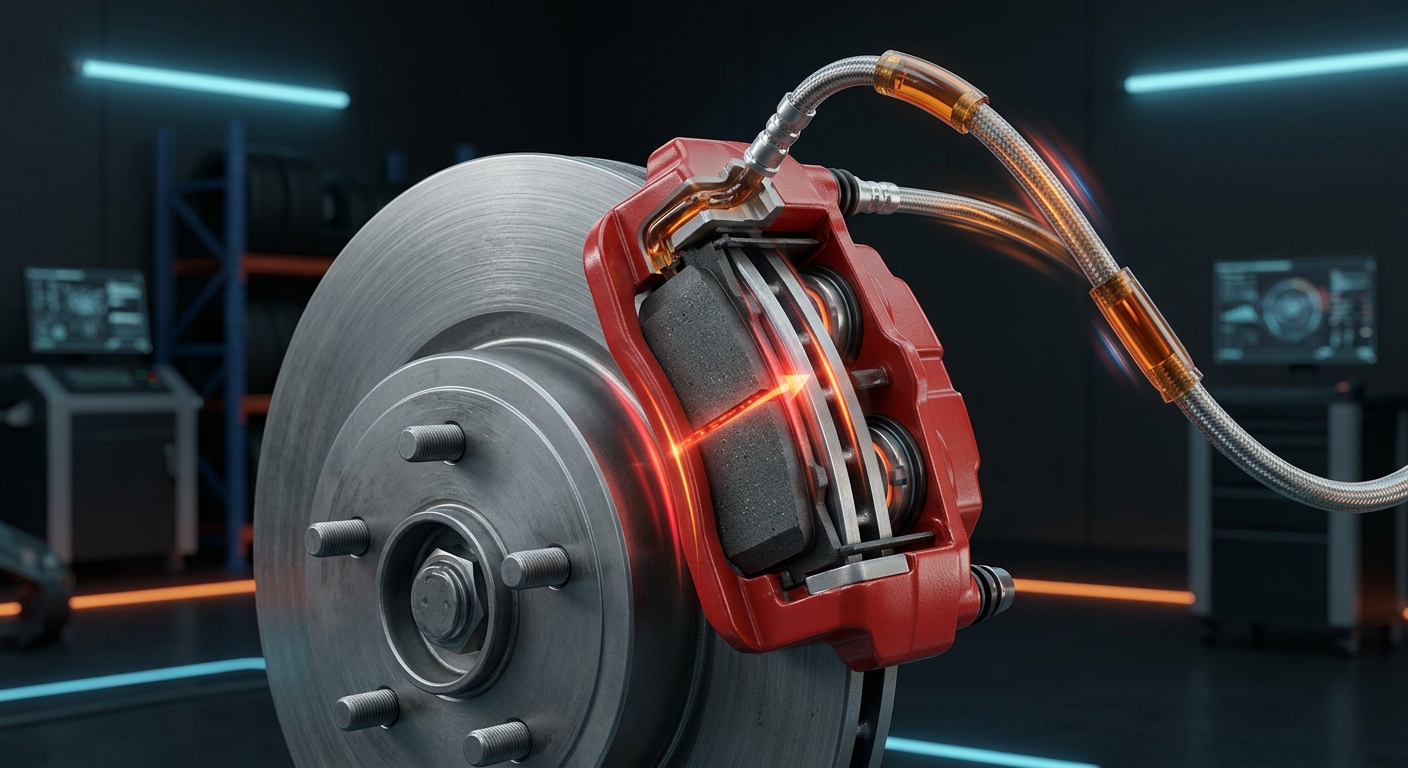
Hydraulic braking systems rely on a simple physical principle: liquids cannot be compressed. When a driver presses the brake pedal, that physical force transfers instantly through the brake lines to clamp the brake pads against the spinning rotors. Brake fluid serves as the vital medium for this energy transfer. If this fluid becomes contaminated, degraded, or low, the hydraulic pressure drops, significantly reducing stopping power and compromising vehicle safety.
For drivers commuting from Christiana along the highway, reliable stopping power is essential when navigating sudden traffic changes. A well-maintained hydraulic system ensures that your vehicle responds immediately to emergency braking inputs. Over time, however, environmental factors and heat break down the chemical structure of the fluid, making regular inspections and maintenance necessary.
Rather than waiting for a noticeable decline in braking performance, proactive owners prioritize routine checks. You can learn about brake service indicators to better understand how these systems wear. When it is time for professional maintenance, drivers can easily schedule brake service with our factory-trained technicians. If you are also considering upgrading your vehicle, you can browse new Chevrolet inventory or browse new GMC showroom options to find models equipped with advanced safety technologies like StabiliTrak and Chevrolet Safety Assist.
Table of Contents
- Is a Brake Inspection Free With a Fluid Exchange?
- How Moisture and Chemical Degradation Affect Hydraulic Braking
- Signs Your Chevrolet or GMC Needs a Brake Fluid Flush
- Recommended Service Intervals and Fluid Specifications
- Common Questions About Brake Fluid Maintenance
- Professional Brake Maintenance at Newton Chevrolet GMC
Is a Brake Inspection Free With a Fluid Exchange?
When scheduling a brake fluid exchange, many vehicle owners wonder if they will face separate charges for a brake inspection. At most professional service centers, including our department, a comprehensive visual brake inspection is included at no additional cost as part of the fluid exchange package. Technicians naturally access the brake calipers, master cylinder, and bleeder valves during the fluid replacement process, making it highly efficient to inspect the physical wear components at the same time.
A standard visual brake inspection performed during a fluid exchange typically covers several critical areas:
- Brake Pad Thickness: Measuring the remaining friction material to ensure pads are within safe operating limits.
- Rotor Condition: Checking for deep grooves, hotspots, uneven wear, or severe rust on the disc surfaces.
- Caliper and Seal Integrity: Examining the hydraulic calipers for signs of fluid leaks or torn rubber dust boots.
- Brake Line Condition: Inspecting both the rigid metal lines and flexible rubber hoses for corrosion, cracking, or swelling.
- Master Cylinder Reservoir: Checking the main fluid reservoir for physical damage or loose caps.
Bundling these services ensures that any underlying mechanical issues are identified before fresh fluid is introduced. If a technician discovers that your brake pads are worn down to the metal or that a caliper seal is leaking, replacing the fluid alone will not restore safe stopping distances. Combining the fluid exchange with a complete visual inspection provides a clear, overall picture of your vehicle’s stopping health.
To maximize your maintenance visit, you can also schedule your oil change to combine multiple routine services into a single appointment. If our team finds that your brake pads or rotors require replacement during the inspection, you can easily order genuine OEM parts directly through our department. Additionally, since stopping power relies heavily on tire traction, our technicians can help you find tires for your vehicle that match your specific model and driving habits.
How Moisture and Chemical Degradation Affect Hydraulic Braking
Modern automotive brake fluids are glycol-based chemical compounds designed to withstand extreme temperatures and high pressures. However, these glycol-based fluids are highly hygroscopic, meaning they actively absorb moisture from the surrounding atmosphere. Even in a sealed automotive braking system, microscopic water molecules gradually penetrate the flexible rubber hoses and reservoir seals over time.
As moisture content rises, the boiling point of the brake fluid drops significantly. Under heavy or prolonged braking, the friction between the pads and rotors generates intense heat, which transfers directly into the caliper pistons and fluid. If the fluid contains water, that water can boil and turn into steam. Because gas is highly compressible, pressing the brake pedal simply compresses the steam pockets rather than moving the hydraulic pistons, a dangerous condition known as vapor lock that results in a sudden loss of braking force.
Over time, moisture also triggers internal chemical reactions that lead to corrosion. Water reacts with the steel, copper, and aluminum components inside the brake lines, master cylinder, and anti-lock braking system. This oxidation process creates fine metal debris and dark sludge that can clog the sensitive micro-valves of your vehicle’s traction control and ABS modules.
Maintaining clean, dry fluid is the only way to prevent this internal degradation. If your system requires new hydraulic components due to moisture damage, you can order genuine parts online to ensure a precise fit. Keeping your vehicle’s stopping system in peak condition is just as important as maintaining your connection to the road, so remember to shop new tires when your tread depths begin to wear. For larger, unexpected mechanical repairs, you can also get pre-approved for financing to manage your service budget comfortably.
Signs Your Chevrolet or GMC Needs a Brake Fluid Flush
Recognizing the early warning signs of contaminated or failing brake fluid can prevent costly component damage and hazardous driving situations. Fresh brake fluid is a clear, light-amber liquid. As it absorbs moisture, dirt, and metallic wear particles, it darkens significantly, eventually turning a murky, dark brown color. Checking the transparent reservoir under the hood is a quick way to monitor this color change.
A spongy or soft brake pedal is another classic symptom of degraded fluid. If the pedal feels mushy or sinks slowly toward the floorboard when you hold steady pressure at a stoplight, moisture contamination has likely compromised the fluid’s boiling point. This symptom often worsens during long descents or when towing, as the system generates higher operating temperatures.
Hauling heavy agricultural loads or trailers around Lewisburg means your braking system operates under extreme heat, which can quickly expose degraded, moisture-contaminated fluid. When drivers bring in their trucks for service, they often ask what the symptoms of old or contaminated brake fluid look like. We usually point out that a spongy pedal that sinks slightly when holding pressure at a stoplight is the most common warning sign.
If you ever experience a severe mechanical failure or a sudden loss of hydraulic pressure on the road, do not attempt to drive the vehicle. Owners of properly equipped models can contact Chevrolet Roadside Assistance at 1-800-243-8872 for manufacturer-backed towing and support directly to an authorized service center. Keeping your vehicle’s stopping components in prime condition is vital, whether you drive a heavy-duty truck or want to research the GMC Sierra 1500 or research the Chevrolet Silverado HD to understand their respective towing and braking capabilities.
Recommended Service Intervals and Fluid Specifications
Automotive manufacturers establish specific maintenance schedules for fluid replacements to prevent moisture-related performance declines. General Motors service guidance for Chevrolet and GMC models recommends replacing the brake fluid at least every 2 years or 30,000 miles under normal operating conditions. Vehicles subjected to severe-duty cycles—such as commercial hauling, frequent mountain driving, or operating in high-humidity regions—benefit from shorter replacement intervals of roughly 18 months.
The automotive industry relies on Department of Transportation (DOT) classifications to specify brake fluid performance standards. The two most common types used in modern passenger vehicles are DOT 3 and DOT 4. These fluids are formulated with distinct chemical packages and exhibit different temperature thresholds:
| Fluid Type | Minimum Dry Boiling Point | Minimum Wet Boiling Point (at 3% Moisture) |
|---|---|---|
| DOT 3 | 205°C (401°F) | 140°C (284°F) |
| DOT 4 | 230°C (446°F) | 155°C (311°F) |
Because DOT 4 fluid offers higher boiling points, it is the standard specification for roughly 80% of modern passenger vehicles. However, these fluids are not always interchangeable. Always consult your vehicle’s owner’s manual or check the reservoir cap to confirm the exact specification required for your vehicle.
To keep your maintenance costs predictable, you can view service and parts specials for current offers on routine maintenance. Our technicians also share valuable advice online; you can view service and parts tips to learn more about protecting your vehicle’s mechanical systems. If your vehicle requires more extensive repairs, you can apply for service financing to break the cost into convenient monthly payments.
Common Questions About Brake Fluid Maintenance
Q: Can I test my brake fluid at home?
Yes, you can use chemical test strips or electronic boiling point testers to check for moisture or copper contamination. Chemical strips change color to indicate the presence of copper, which is an early sign of internal line corrosion. While these retail tools offer a quick estimate, our technicians use professional diagnostic equipment during regular service visits to provide a highly precise measurement of your fluid’s moisture content.
Q: Does a brake fluid flush apply to electric vehicles?
Yes, electric and hybrid vehicles still utilize a traditional hydraulic braking system alongside their regenerative braking setups. While regenerative braking uses the electric motors to slow the vehicle and reduce physical brake pad wear, the hydraulic backup system is critical for emergency stops. The fluid in an electric vehicle absorbs moisture at the same rate as a gas-powered vehicle, meaning regular fluid exchanges are still required to prevent internal corrosion.
Q: Can I just top off the reservoir instead of exchanging the fluid?
Topping off the reservoir only replaces the volume of fluid lost as your brake pads wear down, but it does not address contamination. The moisture, dirt, and degraded chemicals remain trapped deep within your brake lines, calipers, and ABS valves. A complete professional flush is the only way to purge the old, moisture-laden fluid from the entire system and replace it with fresh, high-performance fluid.
Q: What happens if I ignore the recommended fluid exchange interval?
Ignoring the fluid exchange interval allows moisture to accumulate beyond the safe 3% threshold. This lowers the boiling point of the fluid, leading to a soft pedal and increased stopping distances under heavy braking. Over time, the moisture will also cause rust and sludge to form, which can damage expensive components like the ABS modulator and master cylinder, resulting in costly repair bills.
Q: What paperwork should I bring if I need to finance an unexpected brake repair?
If you need to finance an unexpected brake system repair, bringing your current driver’s license, proof of income, and vehicle registration will help speed up the approval process. Our team can assist you when you explore financing options at our dealership, making it easy to secure the necessary repairs without delay. For any parts-specific questions, you can also contact our parts department directly.
Professional Brake Maintenance at Newton Chevrolet GMC
Maintaining your braking system is one of the most effective ways to protect your vehicle’s longevity and ensure your safety on the road. At Newton Chevrolet GMC, our team of factory-trained technicians is equipped with specialized fluid exchange machines that completely purge old, contaminated fluid from your lines and replace it with fresh, OEM-specified fluid. Every exchange includes a complimentary visual inspection of your pads, rotors, and calipers to ensure your entire stopping system is operating at peak performance.
We are committed to providing transparent, high-quality service to help you drive with confidence. If you are ready to experience professional care, you can get our dealership directions to plan your visit to our service center. To schedule an appointment or speak directly with a service advisor, give our team a call at (931) 536-3120. You can also discover the Newton advantage to learn more about our commitment to exceptional customer service and expert automotive care.
0 comment(s) so far on The Critical Role of Brake Fluid in Hydraulic Braking Systems