



How Often Should You Inspect the Serpentine Belt on a Chevy Truck?
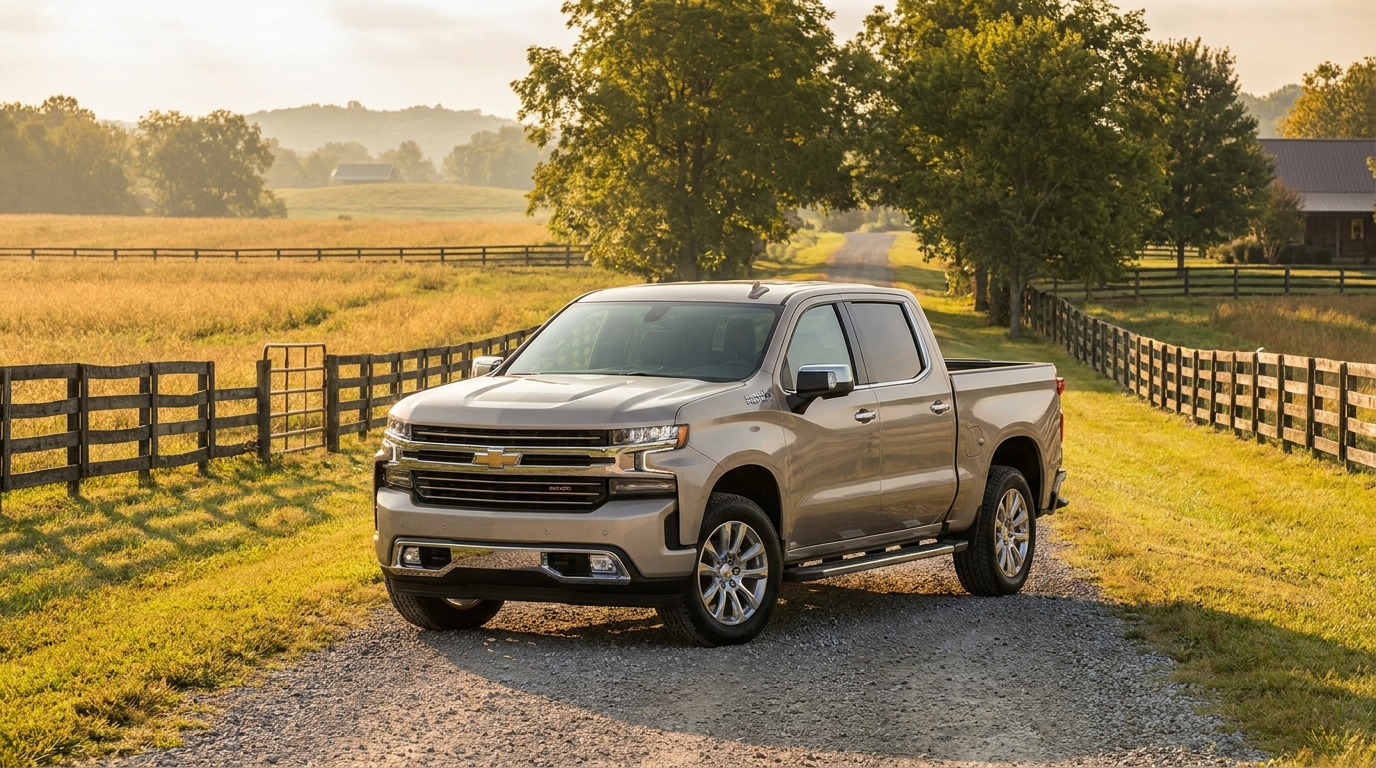
You should visually inspect the serpentine belt on a Chevy truck during every routine oil change, or at least once every 7,500 to 10,000 miles (roughly once per year). Servicing the belt involves checking for rib cracking, edge fraying, rubber hardening, or glazing. Because this single belt drives vital accessories like the water pump, alternator, and air conditioning compressor, catching wear early prevents sudden engine overheating and air conditioning failure during warm southern summer driving.
During a routine multi-point inspection, automotive technicians look closely at both the belt condition and the automatic tensioner alignment. Modern synthetic rubber belts made from EPDM last longer than older neoprene belts, but they tend to wear down in the groove depth rather than showing obvious surface cracks. Checking groove depth with a belt wear gauge ensures the belt maintains proper traction across all pulleys. If you hear a high-pitched squeal under heavy acceleration or when engaging the air conditioning, the belt or tensioner requires immediate attention.
Replacing a worn belt before hot weather arrives protects your truck from severe cooling system failures. When hauling heavy loads through the farmland surrounding Christiana, a snapped belt instantly cuts off coolant circulation from the water pump, driving head temperatures into dangerous territory within seconds. Staying on top of preventive care ensures your truck continues to handle demanding workloads reliably throughout the hottest months of the year.
If you notice belt squeal or visible wear, you can visit our Shelbyville service center location or give our service desk a quick call at (931) 536-3120 to schedule a cooling system checkup.
Table of Contents
- How Do You Spot Radiator, Thermostat, and Coolant Failures on a Chevy Silverado?
- How Do Radiator Fan Clutches Protect Older Chevy Trucks in Summer Heat?
- How Does Automatic Climate Control and Cabin Filtering Work in a GMC Sierra?
- What Are the Maintenance Costs and Best Practices for Summer Cooling Systems?
- Frequently Asked Questions About Chevy and GMC Cooling System Care
- Keep Your Chevy or GMC Running Cool This Summer
How Do You Spot Radiator, Thermostat, and Coolant Failures on a Chevy Silverado?
Spotting radiator, thermostat, and coolant failures early relies on monitoring your dashboard temperature gauge, watching for bright orange or pink coolant puddles under the front bumper, and observing heater or cooling performance. Common symptoms of a failing radiator in a Chevrolet Silverado include engine overheating under load, a low coolant warning light on the instrument cluster, discolored sludge inside the reservoir, or bent cooling fins blocking ambient airflow.
A stuck-closed thermostat represents one of the most frequent causes of rapid engine overheating. When the thermostat internal spring fails to open at its rated operating temperature, fresh coolant remains trapped inside the radiator while stagnant fluid inside the engine block boils over. Drivers can verify coolant levels at the translucent surge tank under the hood when the engine is completely cold. The liquid should sit directly between the fill markings on the tank.
| Cooling Component | Primary Warning Sign | Potential Consequence |
|---|---|---|
| Serpentine Belt | High-pitched squeal, rib cracking | Lost water pump & A/C operation |
| Radiator Core | Coolant puddles, bent cooling fins | Gradual overheating under load |
| Thermostat | Temperature gauge spikes rapidly | Trapped coolant boiling in block |
| Cabin Air Filter | Weak airflow from HVAC vents | Reduced A/C cooling efficiency |
When checking coolant levels, never remove the pressure cap from a warm engine, as pressurized hot fluid can cause severe burns. Inspecting the radiator matrix for road debris, insect buildup, or mud accumulation helps preserve heat dissipation capacity. Drivers planning to upgrade their light-duty truck for heavy summer towing can explore our new GMC Sierra 1500 inventory to review modern cooling capacities and factory trailering options.
Engine & Performance
Powertrain specs by trim
| Feature | 2WD Police Fleet | 4WD Fleet | 4WD Police Fleet | 4WD Special Service Fleet | High Country 2WD | High Country 4WD | LS 2WD | LS 4WD | LT 2WD | LT 4WD | Premier 2WD | Premier 4WD | RST 2WD | RST 4WD | Z71 4WD |
|---|---|---|---|---|---|---|---|---|---|---|---|---|---|---|---|
| Engine | 5.3L | 5.3L | 5.3L | 5.3L | 6.2L | 6.2L | 5.3L | 5.3L | 5.3L | 5.3L | 5.3L | 5.3L | 5.3L | 5.3L | 5.3L |
| Horsepower | 355 hp | 355 hp | 355 hp | 355 hp | 420 hp | 420 hp | 355 hp | 355 hp | 355 hp | 355 hp | 355 hp | 355 hp | 355 hp | 355 hp | 355 hp |
| Torque | 383 lb-ft | 383 lb-ft | 383 lb-ft | 383 lb-ft | 460 lb-ft | 460 lb-ft | 383 lb-ft | 383 lb-ft | 383 lb-ft | 383 lb-ft | 383 lb-ft | 383 lb-ft | 383 lb-ft | 383 lb-ft | 383 lb-ft |
| Transmission | Hydra-Matic | Hydra-Matic | Hydra-Matic | Hydra-Matic | automatic 10-speed | automatic 10-speed | automatic 10-speed | automatic 10-speed | automatic 10-speed | automatic 10-speed | automatic 10-speed | automatic 10-speed | automatic 10-speed | automatic 10-speed | automatic 10-speed |
| Drivetrain | Rear-wheel drive | All-wheel drive | All-wheel drive | All-wheel drive | Rear-wheel drive | All-wheel drive | Rear-wheel drive | All-wheel drive | Rear-wheel drive | All-wheel drive | Rear-wheel drive | All-wheel drive | Rear-wheel drive | All-wheel drive | All-wheel drive |
How Do Radiator Fan Clutches Protect Older Chevy Trucks in Summer Heat?
A radiator fan clutch protects older truck engines by mechanically regulating fan speed based on ambient radiator temperatures, engaging full fan rotation when thermal stress rises and disengaging when the engine runs cool. This variable operation ensures high volume airflow moves across the radiator core during low-speed towing or idling while reducing drag on the engine at highway speeds.
A failing fan clutch usually exhibits one of two distinct failure modes:
- A clutch stuck in the disengaged position fails to pull air at low speeds, causing rapid overheating while idling in heavy traffic or navigating staging areas.
- A clutch stuck in the permanently engaged position creates a loud, continuous roaring fan noise at high engine RPMs and unnecessarily reduces fuel economy.
Testing a mechanical fan clutch involves feeling for moderate resistance when turning the fan blade by hand while the engine is turned off and cold. If the fan spins completely freely with zero resistance, the silicone fluid inside the coupling unit has leaked out. Preserving proper airflow dynamics through the radiator grid prevents severe thermal stress on engine gaskets and cylinder heads. Drivers exploring options to upgrade their current truck or lower monthly maintenance expense can review current financing solutions with our team.
How Does Automatic Climate Control and Cabin Filtering Work in a GMC Sierra?
The automatic climate control system in a GMC Sierra uses interior temperature sensors, exterior ambient air sensors, and overhead solar radiation sensors to dynamically adjust blower fan speed, air blend doors, and compressor displacement to maintain your selected cabin temperature. Paired with an in-cabin filtration unit, the system removes airborne dust, pollen, and debris before outside air enters the passenger compartment.
Over time, dust and pollen build up inside the media pleats of the passenger compartment filter. Typical service guidelines call for replacing the cabin air filter around 22,500 miles, with more frequent replacement needed when driving regularly on dry gravel roads around Lewisburg. A restricted filter reduces airflow velocity from the dashboard vents, strains the blower motor resistor, and can cause musty odors inside the interior.
Signs that your HVAC filtration system needs attention include:
- Reduced air volume from the dash vents when set to high speed
- Increased mechanical blower motor hum without corresponding cabin airflow
- Persistent musty or dusty smells whenever the A/C compressor cycles on
- Sluggish windshield defrosting performance during sudden rainstorms
Maintaining clean air filters ensures the evaporator core operates efficiently without icing over. You can compare interior creature comforts across light-duty models by reviewing our 2026 GMC Sierra 1500 guide, check heavy-duty specs in our 2026 GMC Sierra HD resource, or contact our dedicated parts department to order factory-replacement HVAC filters directly.
What Are the Maintenance Costs and Best Practices for Summer Cooling Systems?
Routine summer cooling system care balances minor scheduled maintenance expenses against the significantly higher costs of major thermal engine repairs. Replacing items like hoses, thermostatic valves, and fresh coolant on schedule protects key powertrain components and keeps fuel economy within expected limits during high-temperature driving conditions.
For large SUV owners operating full-size family haulers like the 2026 Chevrolet Tahoe, keeping the HVAC and engine cooling systems in peak condition is essential for highway travel. The entry 2WD Police Fleet trim starts at $54,500 base MSRP, while standard retail trims like the LS 2WD start at $60,700 base MSRP and the LS 4WD starts at $63,700 base MSRP. Higher luxury and off-road builds scale up to the High Country 4WD at $83,700 base MSRP or the Z71 4WD at $70,700 base MSRP, with all models incurring a $2,795 destination charge.
Under standard operating conditions, replacing the cabin air filter occurs approximately every 15,000 to 22,500 miles, while main engine coolant flushes land around 150,000 miles or 5 years on modern factory fills. Combining filter service with routine oil changes keeps labor costs low while verifying that all cooling fans, water pumps, and belt drives remain fully operational before hot summer temperatures peak.
Pricing
Pricing by trim
| Feature | 2WD Police Fleet | 4WD Fleet | 4WD Police Fleet | 4WD Special Service Fleet | High Country 2WD | High Country 4WD | LS 2WD | LS 4WD | LT 2WD | LT 4WD | Premier 2WD | Premier 4WD | RST 2WD | RST 4WD | Z71 4WD |
|---|---|---|---|---|---|---|---|---|---|---|---|---|---|---|---|
| Base MSRP | $54,500 | $61,400 | $57,500 | $57,600 | $80,700 | $83,700 | $60,700 | $63,700 | $63,700 | $66,700 | $75,600 | $78,600 | $68,700 | $71,700 | $70,700 |
| Destination charge | $2,795 | $2,795 | $2,795 | $2,795 | $2,795 | $2,795 | $2,795 | $2,795 | $2,795 | $2,795 | $2,795 | $2,795 | $2,795 | $2,795 | $2,795 |
Frequently Asked Questions About Chevy and GMC Cooling System Care
Q: What does the coolant temperature warning light on a Chevrolet dashboard look like?
The coolant temperature warning light displays as a red thermometer icon floating above two wavy lines on your instrument cluster. When illuminated, this symbol indicates that your engine coolant temperature has exceeded safe operating limits. If this light turns on while driving, safely pull off the road, turn off the ignition, and allow the engine bay to cool completely before inspecting fluid levels.
Q: Can a bad thermostat cause a Chevy truck to overheat even if the radiator is fine?
Yes, a faulty thermostat stuck in the closed position completely blocks coolant flow from entering the radiator. Even if the radiator, water pump, and cooling fans function perfectly, trapped coolant inside the engine block quickly boils, leading to rapid temperature spikes on your dashboard gauge.
Q: How often should the cabin air filter be changed on a GMC Sierra?
General manufacturer maintenance schedules advise replacing the passenger compartment air filter every 22,500 miles. However, driving frequently in dusty agricultural environments, on unpaved back roads, or in high-pollen areas may require replacing the filter closer to 15,000 miles or once per year to preserve optimal ventilation.
Q: How can I safely check the engine coolant level on a Silverado?
Inspect the translucent coolant recovery tank located under the hood while the engine is completely cold. The fluid height should rest between the marked minimum and maximum cold-fill lines on the side of the reservoir. Never loosen or remove the pressure cap while the engine is hot, as pressurized steam can cause injury.
Q: What makes genuine OEM cooling components better for summer reliability?
Factory-certified replacement parts, such as genuine hoses, water pumps, and thermostats, match the exact thermal tolerances and flow rates specified by vehicle engineers. To learn more about how precision engineering protects vehicle longevity, readers can explore our overview of American engineering standards.
Keep Your Chevy or GMC Running Cool This Summer
Preventive summer cooling maintenance protects your vehicle from high-temperature wear, maintains cabin comfort, and prevents costly engine repairs during hot weather driving. From verifying serpentine belt tension to flushing aging coolant and replacing restricted cabin filters, staying proactive ensures your truck or SUV performs reliably on every trip.
Our factory-trained service technicians at Newton Chevrolet GMC stand ready to inspect your entire cooling network, test radiator cap pressure, and replace worn belts or filters using genuine original equipment parts. Whether you drive a light-duty pickup or a full-size family SUV, comprehensive preventive care offers total peace of mind on southern highways.
Schedule your seasonal cooling inspection today by visiting our main Shelbyville dealership location or reaching out to our service team at (931) 536-3120 to reserve your appointment.
0 comment(s) so far on How Often Should You Inspect the Serpentine Belt on a Chevy Truck?